Cuba has initiated a dramatic economic transformation, permitting emigrants to become business partners in their homeland. These extensive Cuban business reforms represent a significant shift for the island nation, currently grappling with its most severe economic crisis in history.
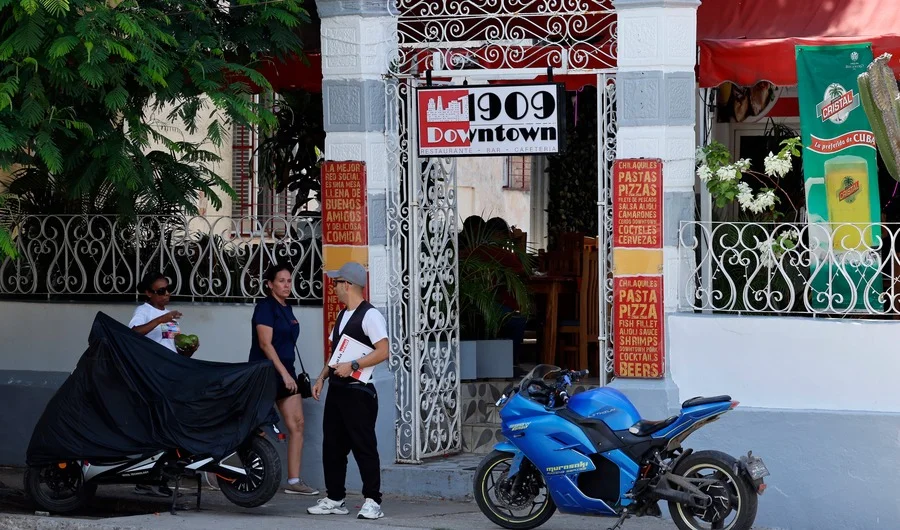
This week, the Official Gazette published amendments to regulations that previously prohibited Cubans living abroad from engaging in domestic private enterprise. Article 54 of Decree Law 133 now explicitly allows Cubans residing internationally, alongside permanent foreign residents, to hold stakes in micro, small, and medium-sized enterprises (MSMEs) and private companies.
Moreover, the reforms remove the long-standing cap of 100 employees for private businesses, opening new avenues for growth. Private companies can also now participate directly in foreign trade and receive international investment without government mediation. These changes are part of a larger package of 176 measures, marking the most radical economic shift since 1959.
President Miguel Díaz-Canel has openly welcomed Cubans living abroad, stating, “this is your home, and our door is open to you.” He emphasized that the nation cannot afford to lose any of its citizens. The government hopes this new openness will help alleviate the economic pressures, which have been exacerbated by U.S. sanctions and a dwindling traditional economic base.
However, significant questions persist regarding the safety of these investments. Economist Ricardo Torres, formerly with the Center for Studies of the Cuban Economy, acknowledges the importance of codifying these possibilities into law. Nonetheless, he voices concern about the impartiality of Cuba’s judicial system, which remains under the control of the Communist Party.
Torres suggests that legal changes are underway, but the fundamental issue of an independent judiciary remains unaddressed. Therefore, doubts linger about how well investors would be protected if a ruling conflicted with state interests. He calls this a core problem, generating uncertainty among potential investors.
Furthermore, Cuba’s deep internal crisis—marked by unreliable electricity, water shortages, high inflation, and a thriving black market—makes it a less attractive investment destination. U.S. sanctions also introduce additional risks that many investors may be reluctant to undertake.
The government’s stance that these changes are a “concession” rather than a move towards capitalism further complicates matters. Critics fear that if the economic situation improves, authorities might revert to previous policies, undermining the long-term prospects of these crucial Cuban business reforms and the private sector’s growth.